Hub bearings fail slowly and almost silently, and by the time a hub sounds rough the damage is usually beyond adjustment.
Two checks catch it early and both take seconds.
The play check
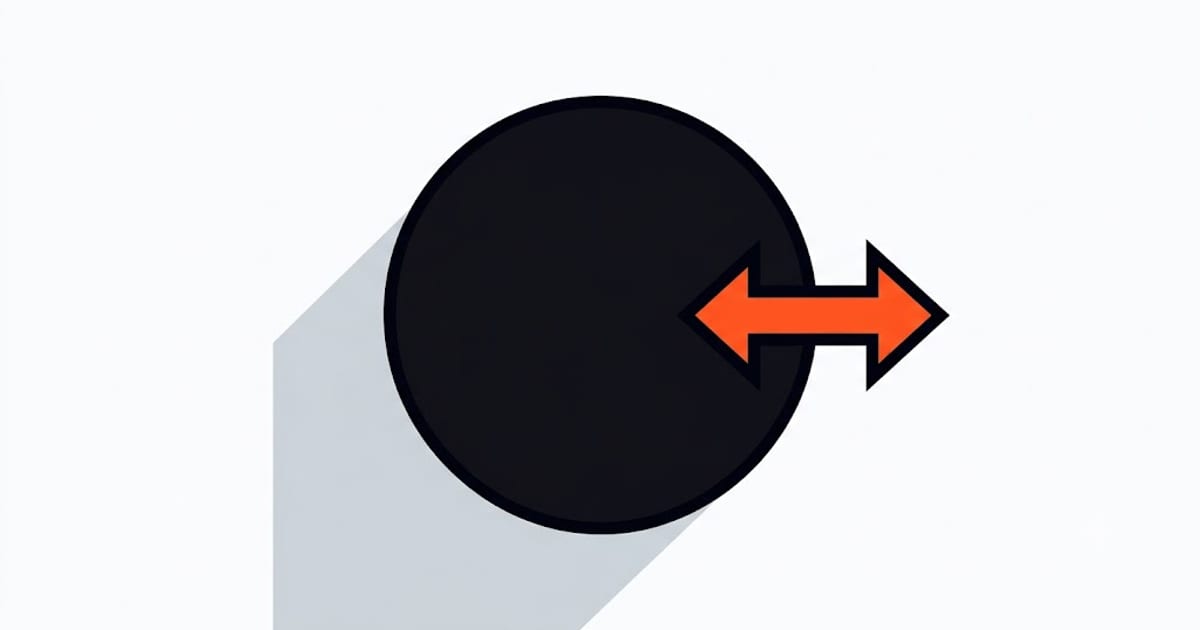
With the wheel in the frame and the quick release or thru-axle tight, grip the rim at the top and push it side to side. A small amount of flex is the wheel and the frame; a distinct knock is bearing play.
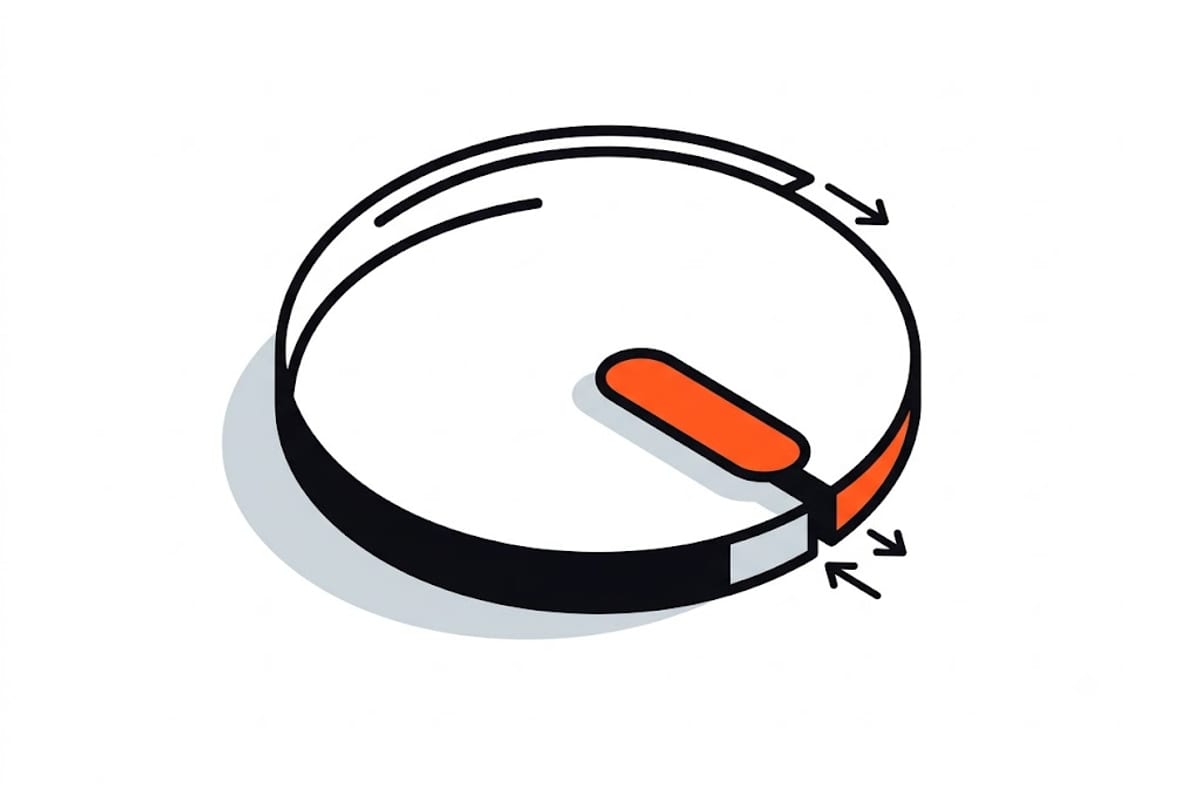
Any detectable knock means the bearings are being loaded in a way they were not designed for, and every ride from that point removes more material. It is the single most useful maintenance check on a bicycle and it takes two seconds per wheel.
The drag check
Remove the wheel, hold the axle in your fingers, and turn it. It should turn smoothly with light, even resistance.
Grinding or notchy means pitted bearing surfaces. Completely free with no resistance at all on a cup-and-cone hub usually means it is too loose.
Spin the wheel in the frame as well. A wheel that stops abruptly, or that always comes to rest with the valve at the bottom in the same way every time, is telling you about drag and about balance respectively — the first matters, the second does not.
Cup-and-cone against cartridge
Cup-and-cone hubs use loose balls between an adjustable cone and a cup machined into the hub shell. They are adjustable, serviceable with basic tools, and can be repacked with grease indefinitely — provided the cup and cone surfaces are not pitted. Once they are pitted, the cone is replaceable and the cup usually is not.
Adjustment is by threading the cone against a locknut, and the target is the point just before play appears, checked with the axle clamped as it will be in the frame. Quick release clamping load compresses the assembly slightly, so a hub adjusted out of the bike often has play once installed.
Cartridge hubs use sealed bearing units pressed into the shell. They are not adjustable; when a cartridge is rough it is pressed out and a new one pressed in. Simpler in principle, and it requires the right tools or a shop.
What kills bearings
Water, particularly from a pressure washer aimed at the hub. Seals are designed to keep out splashes, not a jet.
Riding with play, which is the largest single cause and the one entirely within your control.
Long storage without use, where grease separates and the balls sit in one place.
Grit, which enters past worn seals and turns grease into grinding paste.
Service intervals worth using
Rear hubs work harder than front and wear faster. Reasonable intervals for regular riding are annually for a bike ridden in all weather, every two years for a fair-weather bike, and immediately after any deep water immersion.
The freehub body is a separate assembly with its own bearings and pawls, and it has its own service interval. A freehub that has become quiet or that skips under load needs attention regardless of how the hub bearings feel.
When to stop adjusting and replace
If a cup-and-cone hub will not hold an adjustment — it develops play again within a few rides — the cup is worn out of round. Adjusting harder only accelerates it.
At that point the honest options are a new hub or a rebuild onto a new hub shell, and on an inexpensive wheel the arithmetic usually favours a new wheel.
Thru-axle hubs and the same check
Thru-axle wheels are stiffer and the play check works the same way, but the axle must be fully tightened before testing. A partially closed thru-axle produces movement that looks exactly like bearing play and disappears when the axle is done up properly.
Check the axle torque first, then check for play. Getting that order wrong sends people to the shop with hubs that are perfectly fine.
What good service costs in time
Repacking a cup-and-cone front hub is a fifteen-minute job with a pair of cone spanners: open it, clean the old grease out, inspect the cups and cones under good light, repack, and adjust. The rear takes longer because the freehub side is more involved.
That interval — an hour a year for both wheels — is what keeps a set of hubs running for a decade. Neglecting it for two seasons in wet conditions is often enough to pit the cups permanently, at which point the hub is consumed rather than serviced.