Drivetrain Compatibility
What actually fits: speeds, freehubs, cable pull and chain width.
"11-speed" is a marketing number. It names the cog count and nothing else, and four separate interfaces have to agree before a drivetrain shifts.
The four interfaces
| Interface | Set by | Fails as |
|---|---|---|
| Freehub body ↔ cassette | Hub brand and generation | Cassette will not seat at all |
| Shifter cable pull ↔ derailleur | Brand and speed count | Shifts two cogs or none |
| Chain width ↔ cog spacing | Speed count | Rubs the neighbouring cog |
| Derailleur capacity ↔ gear range | Cage length | Chain slack in the small-small |
Three of the four are silent failures. Only the freehub tells you immediately, by refusing to accept the cassette.
Capacity is arithmetic, and it is the one people skip
Total capacity a rear derailleur must absorb:
(big chainring − small chainring) + (big cog − small cog)
A 50/34 crank with an 11–34 cassette needs 16 + 23 = 39 teeth of capacity. A short-cage road derailleur is typically rated 33–35. It will physically shift, and the chain will hang slack in the small-small combination until it drops.
Max cog size is a separate limit from capacity, and exceeding it puts the upper pulley into the cassette.
What mixing actually works
Cross-brand mixing succeeds where the interface is mechanical and fails where it is a ratio. A chain is mechanical — any 11-speed chain runs on any 11-speed cassette. Cable pull is a ratio, and that is where brands diverge.
The pages below take one pairing at a time, because "is X compatible with Y" has no general answer — it has four answers, and the pairing decides which one bites first.
6 articles
 12-Speed Compatibility — Speed Count Is Not the Question
The number on the box tells you how many sprockets there are. It tells you almost nothing about what will work together.
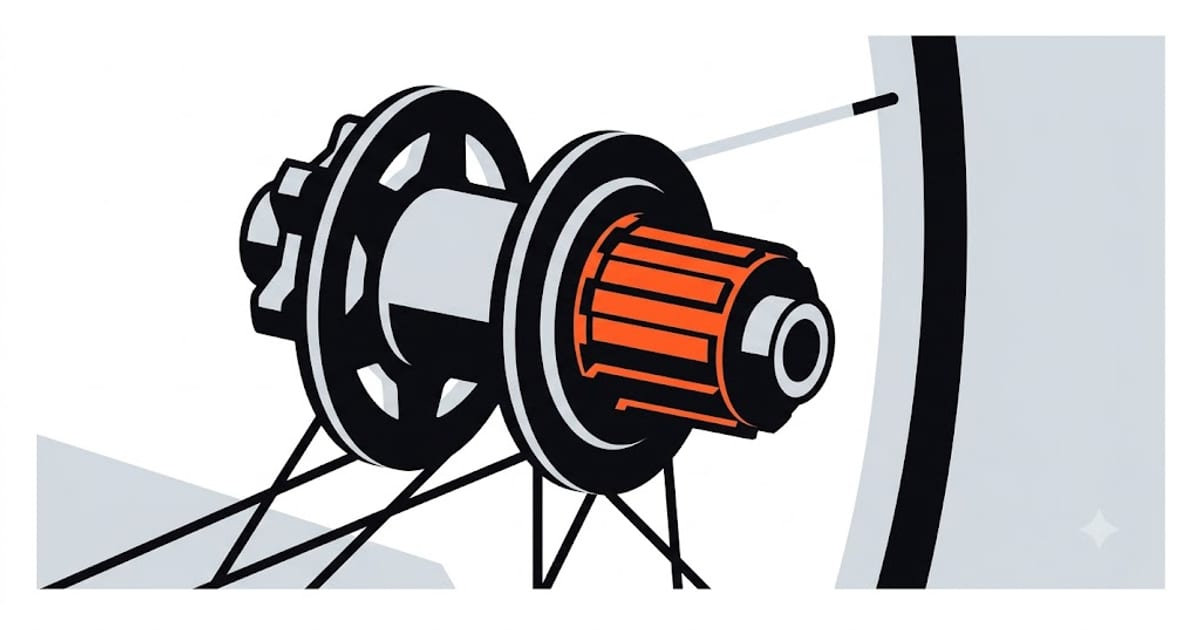 Freehub Standards: HG, XD, XDR and Micro Spline Do Not Interchange
The cassette does not mount to the wheel. It mounts to the freehub body, and that is where most "my new cassette will not fit" problems live.
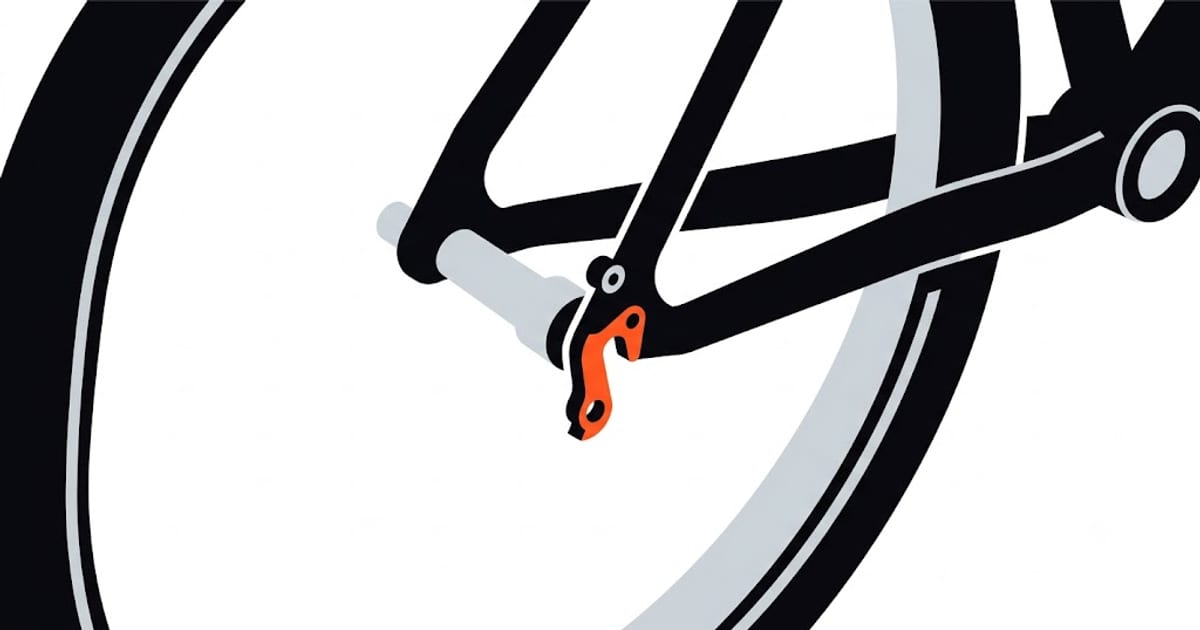 A Bent Hanger Is the Cause of Most Shifting Problems That Resist Adjustment
If indexing works in some gears and refuses in others no matter how you turn the barrel adjuster, stop adjusting. The part you are adjusting is not the one that moved.
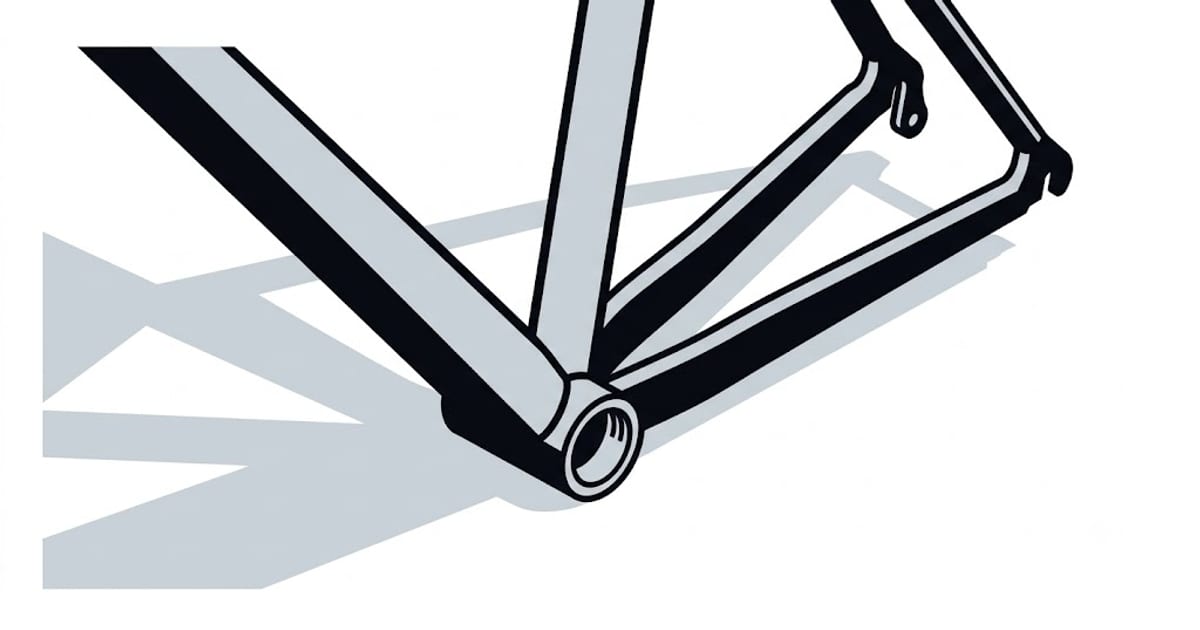 Bottom Bracket Standards: Three Measurements Decide Everything
The list of standards is long and the decision procedure is short. Shell width, shell diameter, spindle diameter — everything else is a brand name attached to a combination of those three.
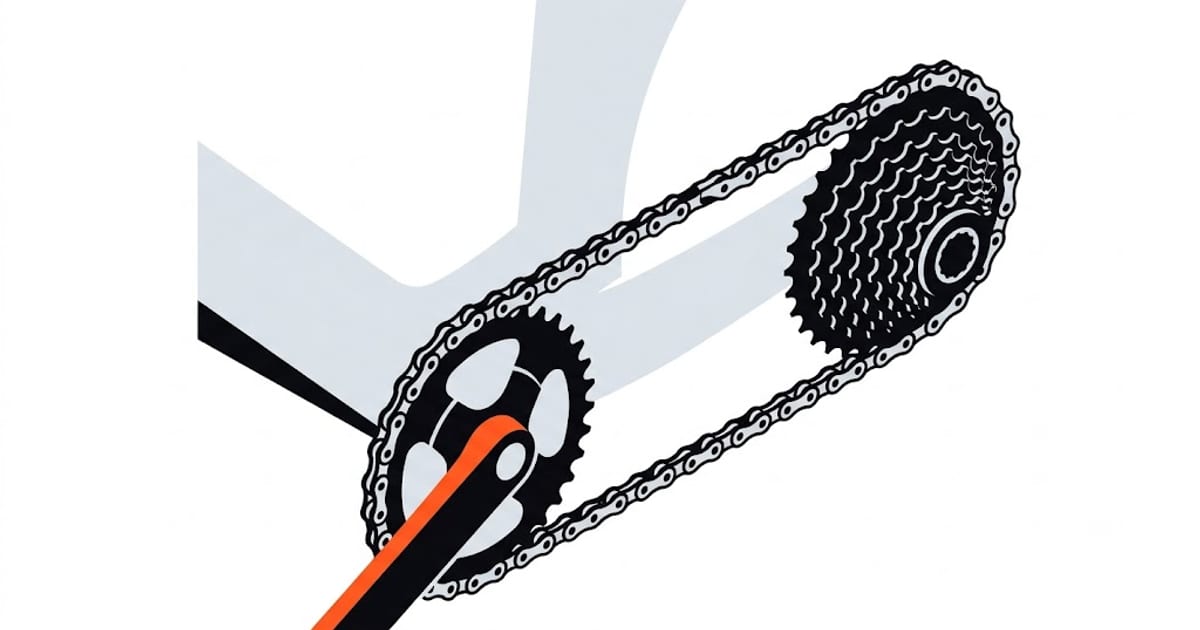 Cross-Chaining and Chainline: What the Noise Is Telling You
The noise in big-big is friction, and friction is wear. But the received wisdom about cross-chaining was written for drivetrains that no longer exist.
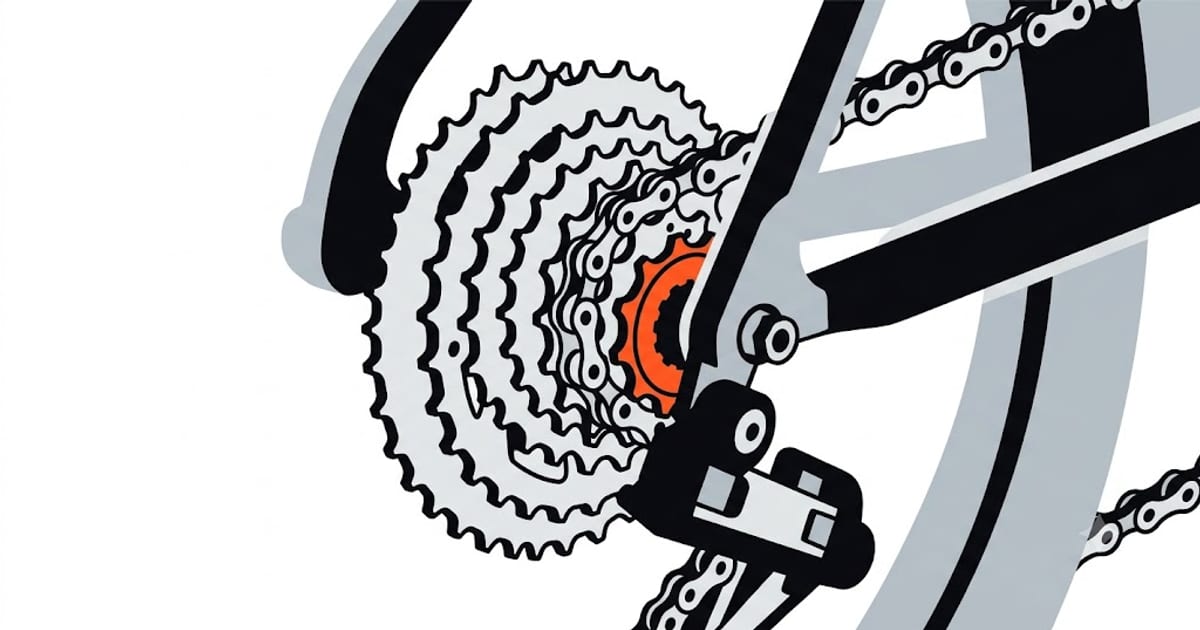 Bike Drivetrain Compatibility: Four Things That Must Match, and One That Usually Doesn't
Most compatibility questions collapse into four checks. Three are easy to look up; the fourth is why a Shimano shifter and a SRAM derailleur can bolt together and still never index properly.